
Collaboration between the University of Pittsburgh and UPMC brings first-of-its-kind treatment to Harrisburg-area residents
UPMC is bringing a first-of-its kind clinical trial to central Pennsylvania to help understand whether a vaccine can prevent breast cancer.
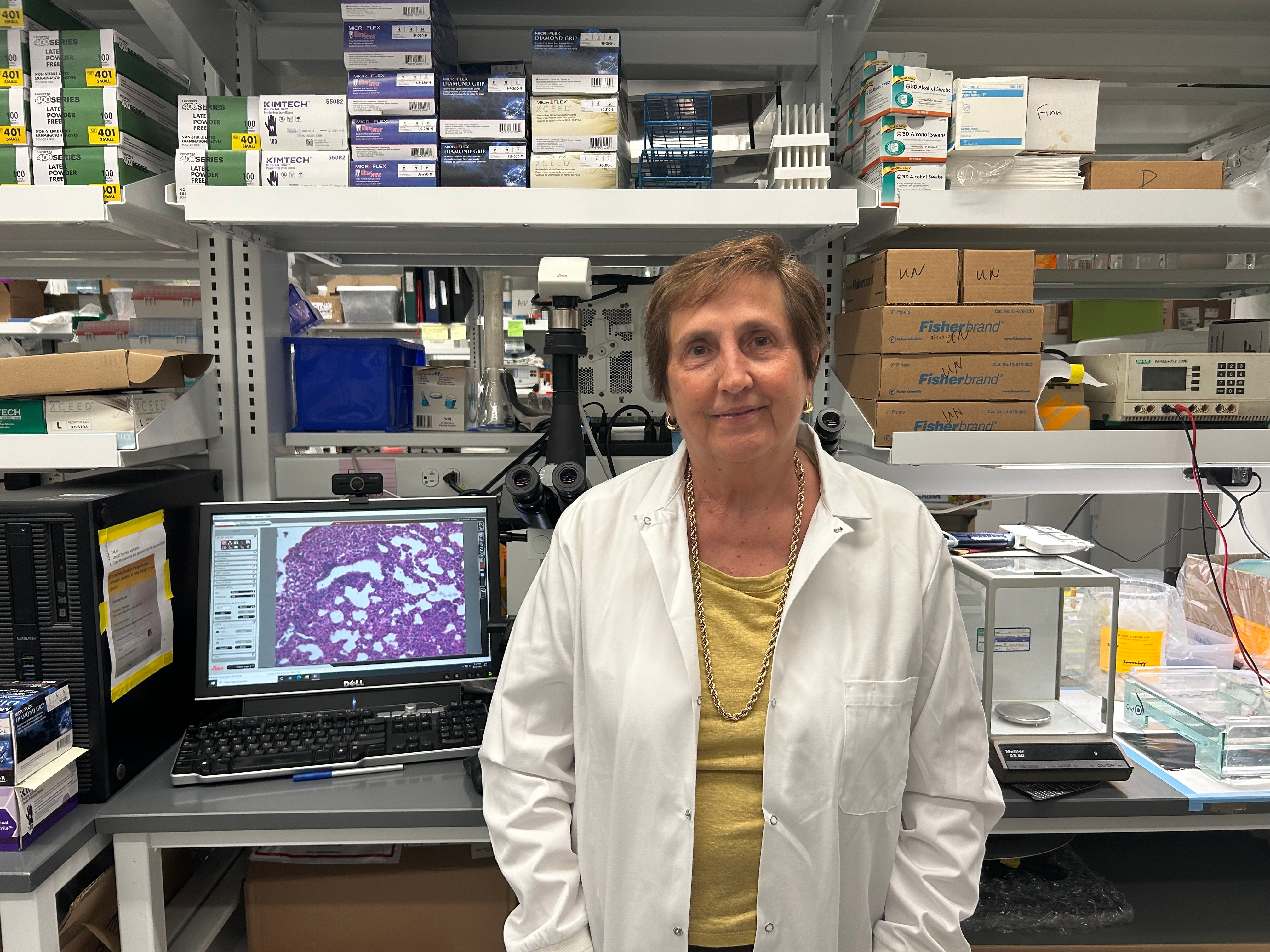
The study is based on decades of research by Olivera Finn, Distinguished Professor of Immunology, School of Medicine, University of Pittsburgh (above and in video below), and was launched at UPMC Hillman Cancer Center at UPMC Magee-Womens Hospital in Pittsburgh in 2024 in collaboration with breast surgical oncologist Emilia Diego, and medical oncologist Julia Foldi.
“This is a very innovative approach that can potentially stop breast cancer before it develops,” said Diego, who is also an associate professor of surgery, School of Medicine, at Pitt. “Our long-term vision is to prevent cancer, and the women who are part of this trial are helping us reach that goal.”
The vaccine, delivered in three doses, is designed to initiate an immune response in those diagnosed with Stage 0 ductal carcinoma in situ (DCIS), a precancer diagnosis, to prevent it from developing into cancer.
Kit Lu, breast medical oncologist and director of clinical trials, UPMC Hillman Cancer Center in Central Pennsylvania, said the investments made in UPMC Hillman Cancer Centers across the region give central Pennsylvania residents access not only to this clinical trial, but also to hundreds of others.
“Many of today’s standard-of-care therapies began as treatments studied in clinical trials decades ago,” Lu said. “Being part of a National Cancer Institute-designated comprehensive cancer network gives our patients in central Pennsylvania access to promising therapies and new diagnostic approaches.”
The breast cancer vaccine clinical trial is open to a very specific set of patients. Participants must be women 50 years of age and older who are postmenopausal with a diagnosis of early-stage DCIS.
Patients enrolled in the trial will receive the standard recommended surgery to remove the abnormal cells. Those randomized to the vaccine arm of the trial will first receive three doses of the vaccine and then surgery.
“Surgery is our first line of defense when it comes to stopping DCIS from progressing to cancer. But it’s not a guarantee, so anything we can do to strengthen the body’s defense gives us hope,” said Brynn Wolff, director of breast surgery, UPMC Magee-Womens in Central Pennsylvania. Her breast surgeon colleague Katherine Barton will also be part of the local study team.
Following surgery, the women in the clinical trial will be followed for many years to determine if the cancer returns. If the vaccine is found to be safe and effective, the trial will expand to recruit a larger group of women at other cancer centers to further to validate their findings.
Learn more about UPMC Hillman Cancer Center clinical trials.
Media contact: HSNews@pitt.edu